
Child Development & the Feldenkrais Method®
From birth, children learn about themselves and the world through movement and sensation. Their nervous system develops as they experience gravity, touch, sound, light, and interaction with others. Through curious exploration and trial and error, babies discover how to roll, sit, crawl, and eventually walk. Each new achievement is deeply satisfying and encourages further learning.
Children are naturally equipped for this organic learning process. When they feel safe, curious, and engaged, they find their own solutions and build a strong and confident sense of self.
How the Feldenkrais Method® Supports Development
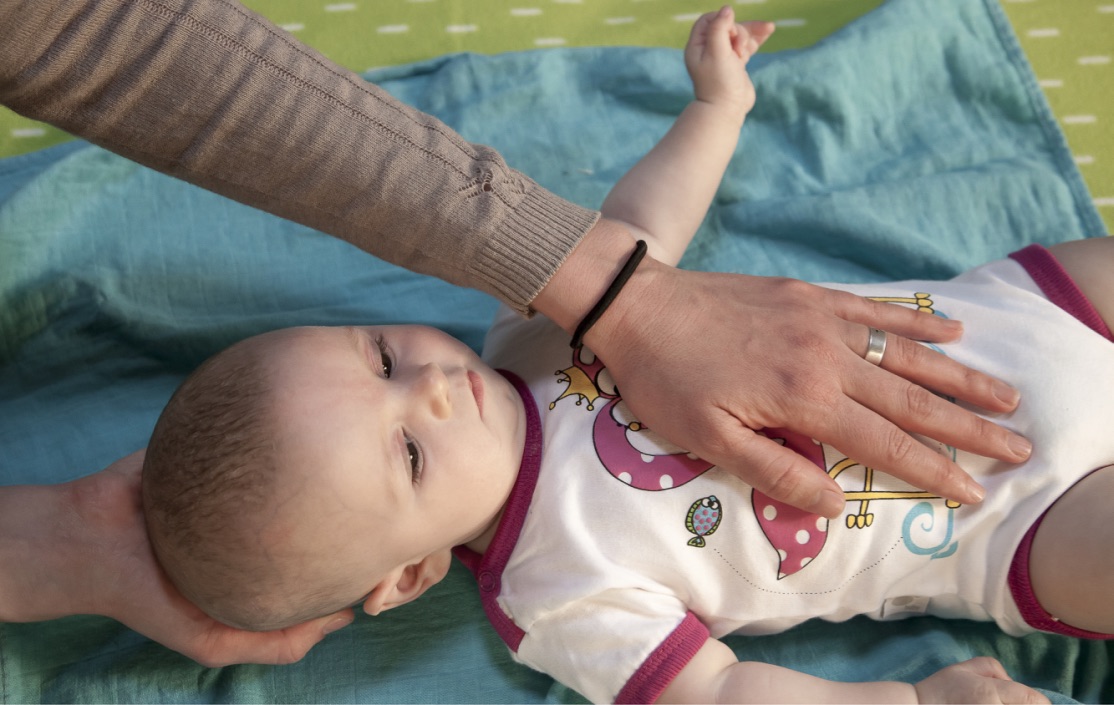
The Feldenkrais Method helps children build body awareness, coordination, and ease in movement. Practitioners use gentle touch and playful movement explorations to guide the child’s attention and help them sense how they move. This creates opportunities for the brain to form new connections, supporting healthy motor development and emotional resilience.
Feldenkrais does not aim to “correct” the child. Instead, practitioners work respectfully with what the child can already do, using these abilities as a foundation for new discoveries. This approach calms the nervous system and invites the child to learn through curiosity rather than effort or pressure.
When a Child Needs Extra Support
Some children, including those with special needs or developmental challenges, may need additional help to move through the early milestones. While Feldenkrais does not remove a diagnosis, it can greatly improve comfort, connection, and functional abilities by strengthening neurological and muscular integration.
Feldenkrais can benefit children experiencing:
- Developmental delay or slow progression
- Cerebral palsy
- Low muscle tone
- Autism
- Learning difficulties (ADHD, dyslexia)
- Balance or coordination issues
- Vision-related movement challenges
- Hip dysplasia or walking/foot problems
- Difficult births or very unsettled babies
- Genetic conditions (e.g., Down syndrome)
- Brain injury or stroke
- Performance needs (music, dance, sports)
Why Feldenkrais Works
The method engages the child’s natural systems for learning:
- Touch
- Proprioception (sense of body position)
- Vestibular system (balance and movement)
Through gentle guidance, children become more connected to themselves, move with greater ease, and gain more options and confidence in daily life. Many parents notice that their child becomes calmer, more coordinated, and more capable of exploring new possibilities.
2.
Helping Children Grow With Ease, Confidence & Joy
From the very beginning, babies learn by moving. Rolling, reaching, crawling, and exploring the world with curiosity—all these experiences help build the brain, body awareness, and a strong sense of self.
But sometimes a child needs a little extra support.
The Feldenkrais Method® for Babies & Children
The Feldenkrais Method uses gentle touch and playful movement to help children discover easier, more comfortable ways to move and learn.
It taps into the brain’s natural ability to grow and reorganize itself—at any age.
Through this approach, children:
- develop better coordination
- feel more at ease in their bodies
- gain confidence in exploring the world
- discover new possibilities that support everyday life
Feldenkrais meets each child exactly where they are, building on their strengths and supporting their unique pace of development.
Who Can Benefit?
Feldenkrais can support all children—from those developing typically to those with additional needs.
It is especially helpful for children with:
- Developmental delays
- Cerebral palsy
- Low muscle tone
- Autism
- Learning or attention difficulties (ADHD, dyslexia)
- Balance or coordination issues
- Walking or foot problems
- Vision-related motor challenges
- Genetic conditions (e.g., Down syndrome)
- Birth trauma or very unsettled babies
- Brain injury or stroke
- Performance needs (music, dance, sports)
A Gentle, Respectful Approach
Instead of correcting or forcing movements, the practitioner invites the child to explore what is possible in a calm and playful way.
This creates a safe space where the nervous system can relax, learn, and grow.
Parents often notice:
- smoother, easier movement
- more curiosity and engagement
- improved comfort and confidence
- better posture and balance
- more options for everyday activities
Giving Your Child More Possibilities
Feldenkrais can’t remove a diagnosis—but it can open new pathways for learning, movement, and participation in life.
With gentle guidance, children discover how capable they truly are.